
Pain is protective, but it is not a damage meter
Pain is one of the ways the body protects us. After an injury, it can encourage rest, draw attention to a problem and prompt us to seek care. But pain does not provide a direct reading of how much tissue damage is present.
A paper cut can be surprisingly painful despite minor tissue injury. In other situations, significant changes can initially cause little pain. Pain can also continue after tissues have healed, or occur when scans do not show a clear structural cause.
None of this makes the pain less real. It shows that pain is produced by a protective system that considers many sources of information—not by damaged tissue alone.
Acute and persistent pain are different
Acute pain commonly begins with injury, illness, surgery or inflammation and usually settles as recovery progresses. Persistent or chronic pain lasts longer than three months or beyond the expected healing time.
When pain persists, the nervous system may become more protective or sensitive. Sleep, stress, mood, previous experiences, general health and reduced activity can also influence symptoms. A contemporary assessment considers these factors while still looking carefully for medical causes that require treatment.
Does pain during movement mean harm?
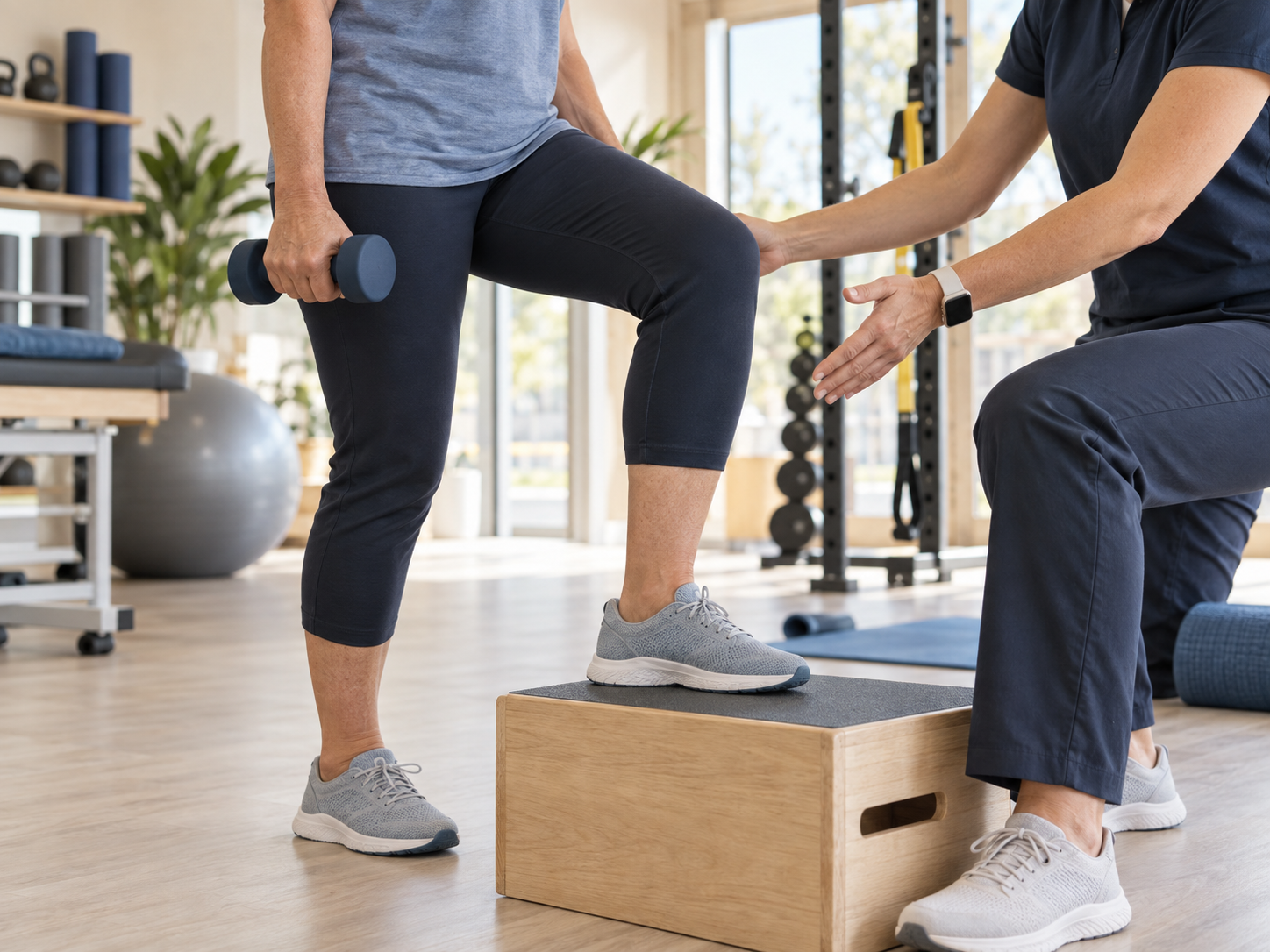
Not necessarily. For some persistent pain presentations, discomfort during carefully selected activity does not automatically mean that damage is occurring. Gradual movement and strengthening can help rebuild physical capacity and confidence.
This does not mean every pain should be pushed through. New, severe, unexplained or changing symptoms deserve assessment. Exercise should reflect the person’s diagnosis, health, current capacity and response—not a universal rule.
A more useful question
Instead of asking only “How much does it hurt?”, it can be helpful to ask: What might be contributing? Is there a medical concern that needs attention? What can be done safely? What matters most to the person, and how can capacity be rebuilt over time?
Understanding that pain and damage are related but not identical can make room for a plan that combines appropriate medical care with education, rehabilitation and psychological support where relevant.