Remedial massage may be used to address muscle tension, discomfort and movement limitations following individual assessment. Dry needling may also be considered where the treating practitioner judges it appropriate and the client provides informed consent.
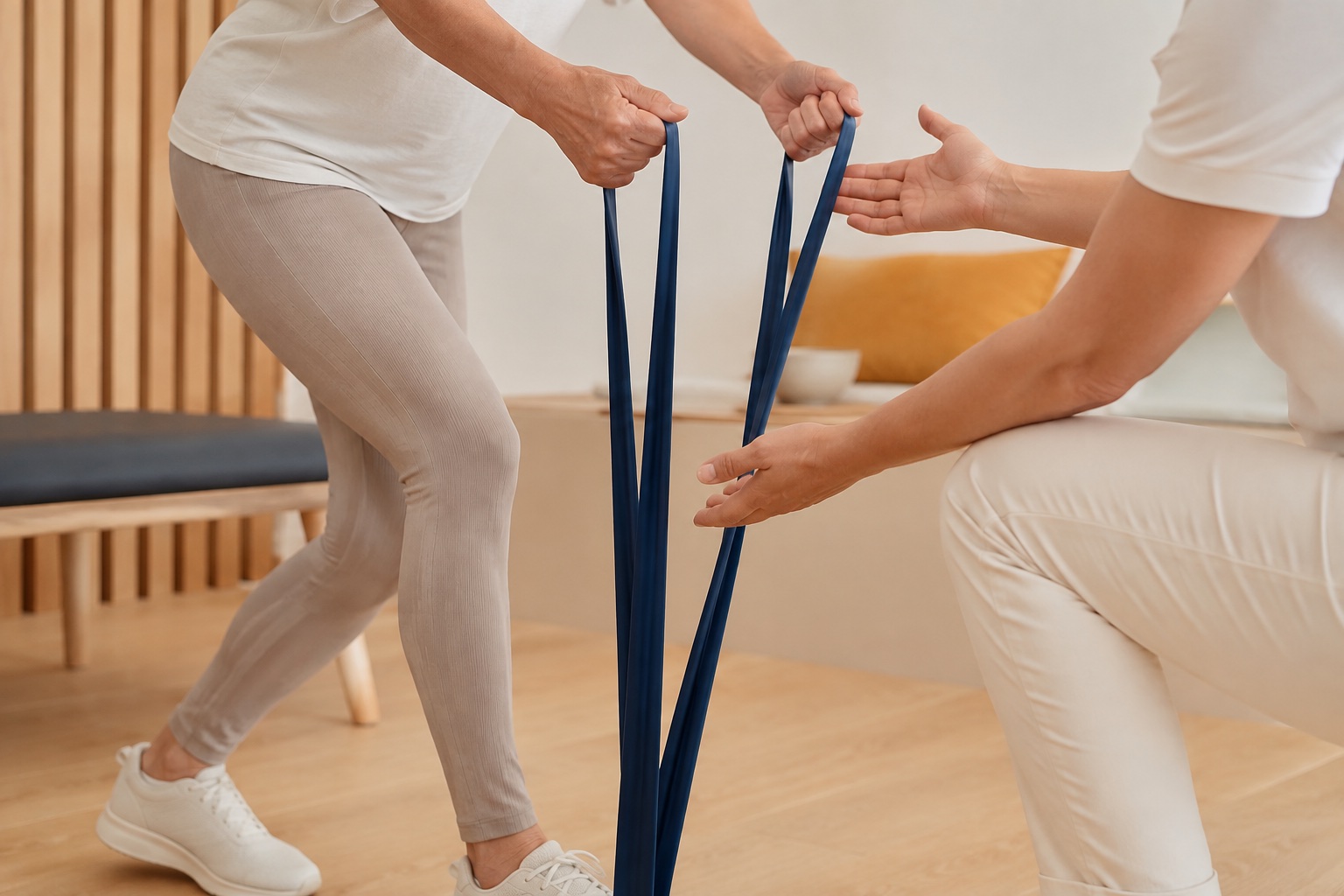
Remedial massage and dry needling can be integrated with medical assessment, exercise rehabilitation, education and psychological care as part of a coordinated treatment plan. For persistent or complex problems, this connected approach helps each part of care work toward the same goals.
Who it may help
Reasons people come to Harmony.
Every person’s needs are different. We’ll listen to what matters to you and help identify the care that best supports your goals.
01Muscle tension and soreness
02Neck and back pain
03Short-term symptom support during rehabilitation
04People returning to movement or exercise
05A defined adjunct within a wider treatment plan
06Clients assessed as suitable for dry needling
What we offer
A considered, clearly explained pathway.
Individual assessment
Targeted remedial massage
Soft-tissue techniques
Dry needling where appropriate and consented
Self-management and movement advice
Communication with the wider treating team where relevant
Part of a plan
Hands-on treatment may provide useful symptom relief for some people, but it is not presented as a standalone solution for every condition. The practitioner will explain how it relates to the person’s goals and wider rehabilitation plan.
Dry needling
Dry needling is only offered after assessment of suitability, relevant risks and contraindications. It requires informed consent and is not the same as acupuncture.
Speak with Harmony
Not sure where to begin?
Call our team and we will help you identify an appropriate next step.